Key Takeaways:- Azulejo obsession: 500+ years of hand-painted tiles everywhere—walls, ceilings, stairs. It's practical art (heat reflection, moisture resistance) + beauty [Historical documentation 2026]
- 1755 earthquake trauma: Portugal rebuilt Lisbon with earthquake-proof engineering (grid layout, flexible joints) that influenced world architecture, especially Japan [UNESCO + historical archives 2026]
- Moorish-Christian fusion: 700 years of Moorish occupation (711-1492) fused horseshoe arches, geometric tilework, water features into Portuguese DNA [Historical records 2026]
- Underground secrets: Lisbon + Évora have extensive crypts, tunnels, ossuary chambers. Most accessible via guided tours only [Tourism data 2026]
Why Portugal's Architecture Looks Different (And Why It Matters)
Portugal's most famous buildings—Sintra's Pena Palace, Belém Tower, Jerónimos Monastery—are tourist traps. Here's what obsessed Portuguese architects for 500 years: earthquake-proof grids, hand-painted tiles that tell stories, fusion architecture from Moorish-Christian collision, secret underground networks. Understanding these quirks reveals why Portugal feels architecturally unique in Europe.
The Azulejo Obsession: 500 Years of Hand-Painted Tiles
The Quirk: Portuguese architects cover *everything* in azulejo—walls, ceilings, staircases, even outdoor benches. It's not decoration; it's philosophy.
History: Moorish influence (1200s) + Portuguese evolution + Dutch trade (1600s imports) created an obsession. Azulejos were practical (heat reflection, moisture resistance, easy cleaning) + beautiful. [Historical documentation 2026]
Where to See It:
Igreja de São Lourenço (Almancil, Algarve): 18th-century ceiling covered in hand-painted tiles (18,000+ tiles, biblical scenes). It's overwhelming—like stepping inside a painted narrative. [UNESCO documentation]
Livraria Clérigos (Porto): Tile-lined staircase, blue+white geometric patterns. Purely functional design elevated to art. [Architectural records]
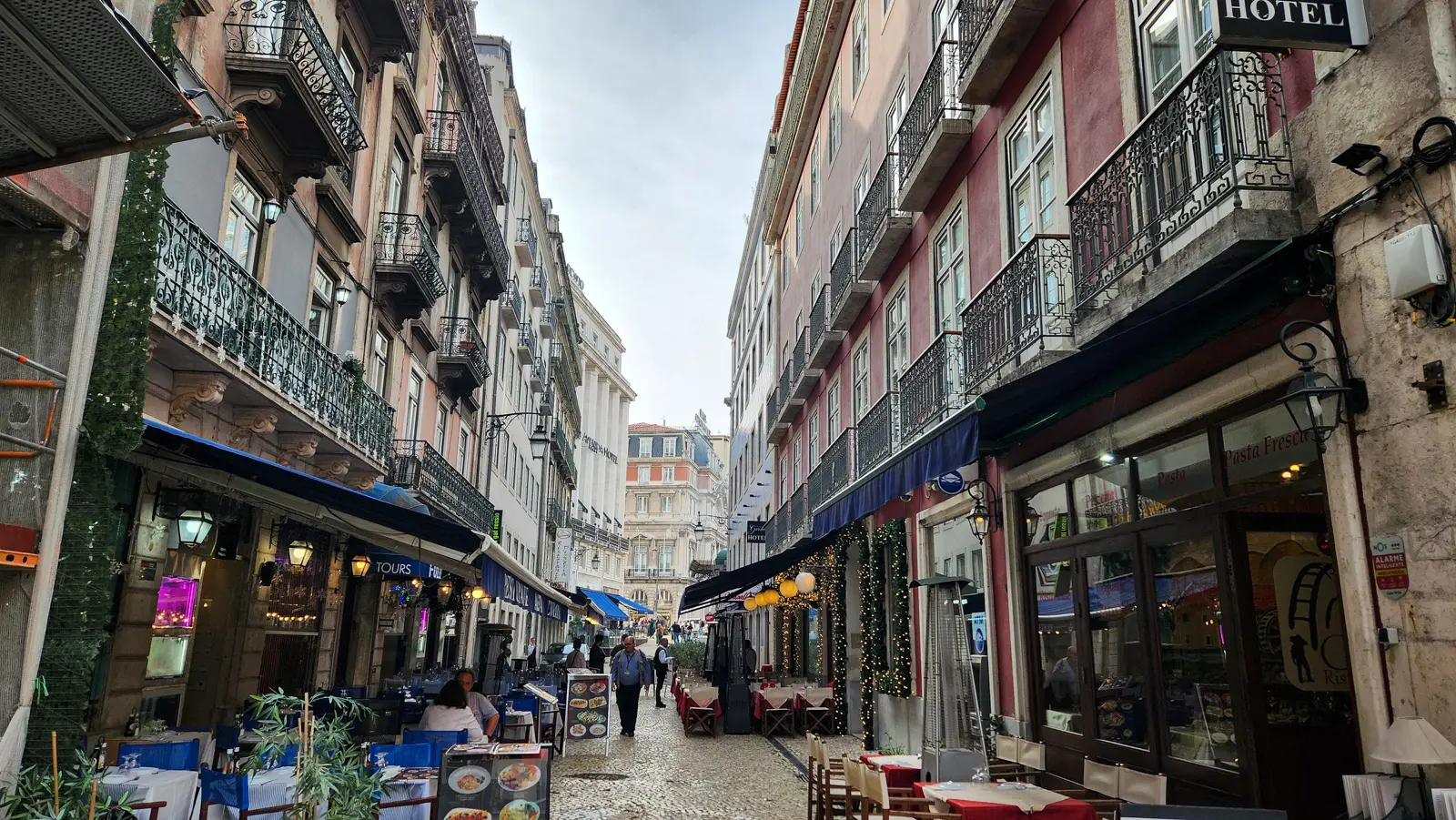
Everyday example: Walk Lisbon's alleys; notice entire alley walls are tiled (functional beauty—keeps buildings cool, reflects light, resists moisture). [Observation]
The Great Earthquake (1755) & Its Architectural Aftermath
The Trauma: 1755 earthquake killed 10,000+ people in Lisbon. Portugal rebuilt using earthquake-proof engineering that influenced world architecture. [Historical records]
Pombaline Architecture (Post-1755): Rebuilt Lisbon in a grid pattern (not medieval chaos). Buildings set back from streets, flexible joints between buildings, wood-frame construction (absorbs quakes vs rigid stone), lower ceilings, narrower buildings. [Architectural history]
What You'll Notice: Walk Chiado/Baixa districts—orderly grid, consistent building heights, building gaps (earthquake joints), wood details in stone facades (flexible engineering). It's resilience embedded in design. [Observable]
Why It Matters: Japan studied pombaline design when developing earthquake-resistant architecture. Lisbon's grid influenced seismic engineering globally. [Architectural influence]
Moorish Fusion: 700 Years of Cultural Architecture
The Collision: Moors occupied Portugal for 700 years (711-1492). Architecture fused Moorish arches, tilework, water features with Christian aesthetics.
Where to See It:
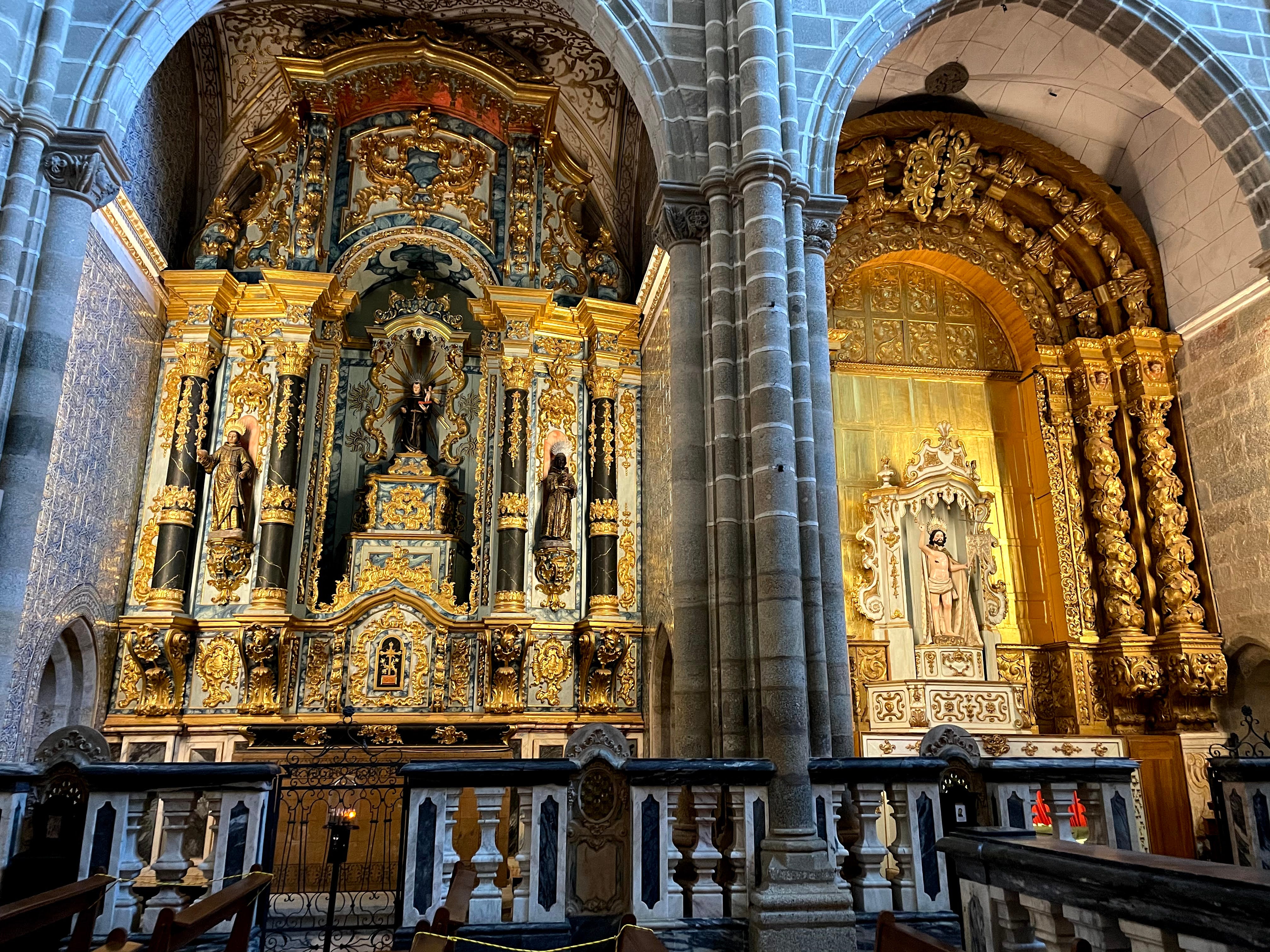
Evora's Cathedral: Moorish arches + Christian altars—jarring fusion capturing cultural collision. [UNESCO site]
Silves Castle (Algarve): Red sandstone fortress (Moorish origins, Christian conversion). Fortress location chosen by Moors for defense; Christians preserved it. [Historical records]
Water features: Moorish fountains, channels (water management obsession) still visible in old towns. [Architectural legacy]
Underground Secrets: Crypts, Tunnels, Hidden Chambers
The Oddity: Lisbon + Évora have extensive underground networks—crypts, escape tunnels, secret chambers. Rarely visited.
What Exists: Convento de São Francisco (Lisbon) has underground ossuary (17th-century crypts, 5,000+ bones artfully arranged). Templar crypts hidden beneath churches (Knights Templar treasures + knowledge). Escape tunnels (monks fleeing threat). [Historical documentation]
Access: Most require guided tours or special permission (under churches/convents). [Tourism info]
Modernist Surprises: 20th-Century Portuguese Innovation
The Underrated: Post-1974 revolution, Portuguese architects went minimalist + experimental. Rarely international attention, but world-class.
Examples: Álvaro Siza Vieira (Pritzker Prize winner, tea house minimalism), Eduardo Souto Moura (MAAT Lisbon, cantilevered over water), Tomás Taveira (postmodern Parliament building). [Architectural records]
Why Ignored: Portuguese modernism = pragmatic + poetic (not flashy like Spain/Italy). Less Instagram-able than baroque. [Analysis]
Regional Architectural Breakdown
Lisbon: Grid + earthquake engineering + azulejo obsession. Walk Baixa to see pombaline vision—order from catastrophe.
Porto: Medieval narrow streets + 18th-century baroque facades + tilework everywhere. More chaotic than Lisbon (pre-earthquake city plan preserved).
Sintra: Romantic + gothic revival + eclectic palace-building. Fairytale architecture (not authentic history, more fantasy).
Algarve: Moorish influence strongest—red stone, fortress thinking, water features, geometric tilework.
Interior (Évora, Guarda): Walled towns, medieval layouts, church-centric planning. Architecture as defense + faith.
Photography & Visiting Tips
Golden hour magic: Old stone hits most beautifully early morning (7-8am) or late afternoon (5-7pm). Plan photography accordingly. [Practical observation]
Walking tours: Most cities offer architecture-specific tours (worth booking for context). Self-guided exploration misses layered meanings. [Tourism standard]
Respect: Many buildings are active churches/convents—respectful dress required. [Cultural sensitivity]
FAQ
Can I enter the underground crypts?
Some require guided tours (Convento São Francisco = yes, with tickets). Others private/restricted. Ask locally. [Access info 2026]
Where's the best azulejo collection?
Igreja São Lourenço (Algarve) for artistic scale. Livraria Clérigos (Porto) for design. Walk Lisbon alleys for everyday tiles. [Tourist recommendations]
Why does Portuguese architecture look different from Spain's?
Spain's Moorish influence was architectural; Portugal's was 700-year occupation fusion (deeper cultural blend). Plus: earthquake trauma + grid engineering unique to Lisbon. [Historical analysis]
Did You Know?
- Portugal's azulejo tradition influenced Dutch pottery (reverse trade-route influence, 1600s)
- 1755 earthquake was one of Europe's deadliest (10,000+ deaths); Lisbon rebuilt entirely
- Moors introduced horseshoe arches; Portuguese kept the style 300+ years post-conquest
- Japanese architects studied pombaline grid when developing earthquake-resistant cities
Sources & References
Related Guides
Updated 2026-07-11 | Verified from historical + architectural sources



.png?width=2240&height=1260&name=Untitled%20design%20(55).png)


